
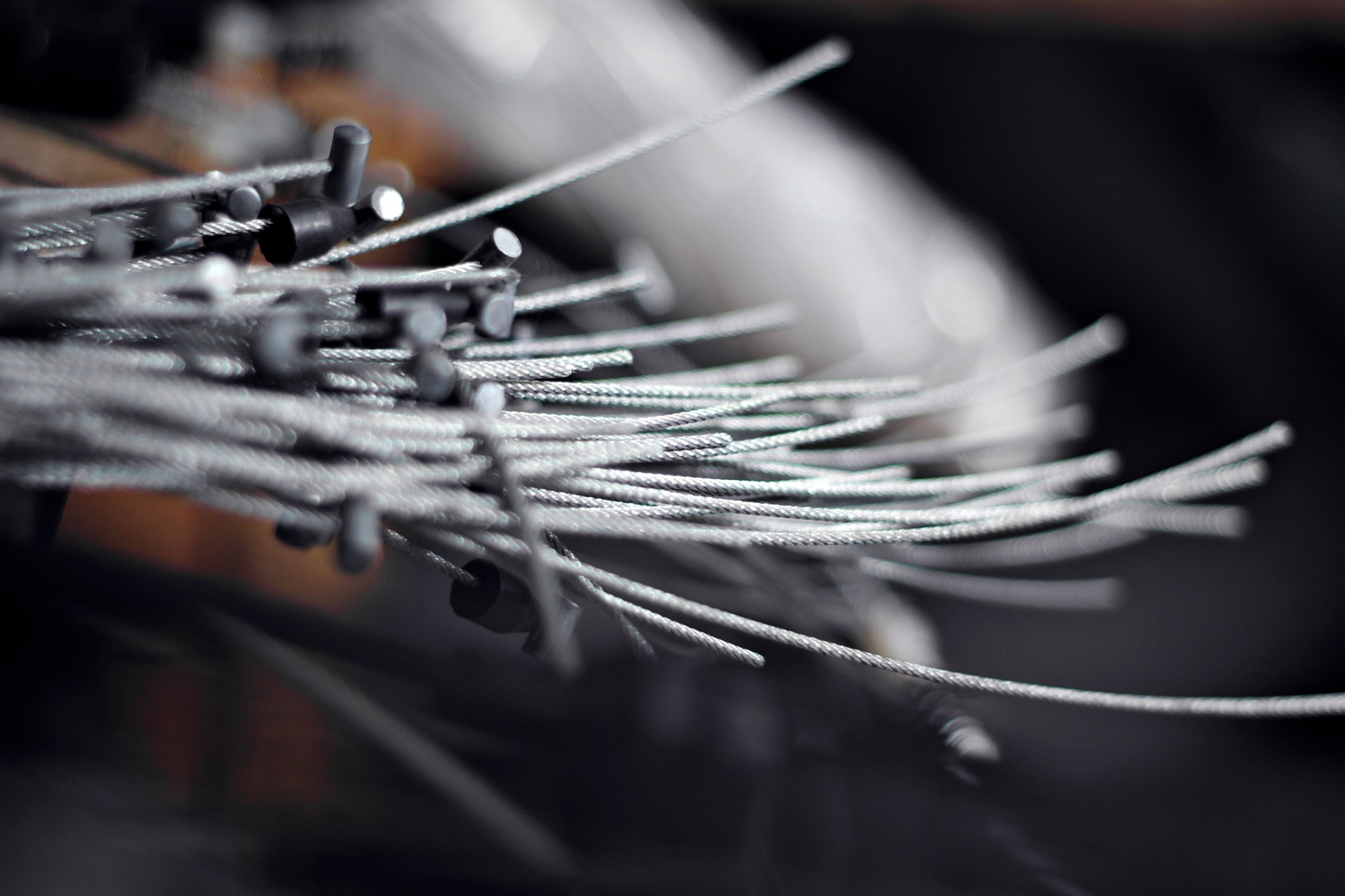
Wire electrical discharge machining (Wire EDM) is a precision manufacturing process capable of creating intricate shapes, narrow cuts, and extremely tight tolerances. Unlike conventional machining, Wire EDM does not rely on a cutting tool physically contacting the workpiece. Instead, a thin electrically charged wire uses controlled electrical discharges to remove material.
This unique process makes Wire EDM suitable for many materials that can be difficult to machine using traditional methods. However, there is one essential requirement: the material must be electrically conductive. Let’s take a closer look.
Why Does Wire EDM Require Conductive Materials?
Wire EDM works by generating a series of electrical sparks between the wire electrode and the workpiece. Each discharge removes a tiny amount of material, gradually creating the desired shape.
Because an electrical circuit must be established between the electrode and the workpiece, nonconductive materials generally cannot be machined using conventional Wire EDM. Plastics, glass, wood, and most ceramics are therefore unsuitable unless they have been specially engineered or modified to provide sufficient electrical conductivity.
Fortunately, many of the metals commonly used in manufacturing are excellent candidates for Wire EDM.
Can Wire EDM Cut Steel?
Steel is one of the most common materials machined using Wire EDM. The process can cut a wide variety of steels, including:
- Tool steel
- Carbon steel
- Stainless steel
- Hardened steel
- High-speed steel
One major advantage is the ability to machine hardened materials. With conventional machining, hardened steel can cause rapid tool wear and may require specialized cutting equipment.
Wire EDM does not use a traditional cutting edge, so the hardness of the workpiece does not create the same limitations. This makes the process particularly useful for dies, molds, punches, tooling, and precision components that are machined after heat treatment.
Can Wire EDM Cut Aluminum?
Aluminum is electrically conductive and can be successfully machined using Wire EDM.
Wire EDM can be useful for aluminum components that require intricate profiles, narrow slots, or precise internal features. However, aluminum behaves differently during the EDM process than materials such as steel, so machining parameters must be carefully controlled to achieve the desired accuracy and surface quality.
Can Wire EDM Cut Titanium?
Titanium is another excellent candidate for Wire EDM. This is particularly valuable because titanium can be challenging to machine using conventional cutting tools.
Titanium’s strength, low thermal conductivity, and tendency to generate significant heat during traditional machining can contribute to tool wear and production challenges. Since Wire EDM removes material without direct cutting forces, complex titanium components can be produced with exceptional precision.
This capability is valuable for industries such as aerospace, medical manufacturing, and other applications where titanium components frequently require demanding tolerances.
What Other Metals Can Wire EDM Cut?
Wire EDM can machine many additional conductive metals and alloys, including:
- Copper
- Brass
- Bronze
- Nickel alloys
- Cobalt alloys
- Tungsten
- Carbide
- Inconel and other high-temperature alloys
Some of these materials are extremely hard or difficult to machine conventionally. Wire EDM can therefore provide an effective alternative when traditional milling, turning, or cutting processes become inefficient.
Can Wire EDM Cut Carbide?
Carbide can be machined using Wire EDM as long as it contains enough electrically conductive binder material.
This makes Wire EDM especially useful in tool and die manufacturing, where carbide components may require precise profiles and very tight tolerances. Careful control of EDM parameters is important because inappropriate settings can potentially damage the material or negatively affect surface integrity.
Choosing the Right Material for Wire EDM
Material selection for Wire EDM ultimately comes down to electrical conductivity and the requirements of the finished component. From common stainless and tool steels to titanium, carbide, copper, and specialized high-performance alloys, Wire EDM can handle an exceptionally broad range of conductive materials.
Its ability to machine hard and challenging metals without conventional cutting forces is one reason Wire EDM remains an important manufacturing process for components requiring complex geometry, high accuracy, and consistent results.
Precision Wire EDM & Machining Solutions with Master Cut
When precision matters, choosing the right machining partner can make all the difference. Master Cut EDM specializes in precision wire EDM, small hole EDM, and custom manufacturing solutions for industries that require exceptional accuracy and repeatable results. From prototype development to high-volume production, every project is completed with a focus on quality, efficiency, and meeting demanding engineering specifications.